UAE Freelance Visa 2026: How Ugandans Grab Tax-Free $5k Gigs
Ugandan tech pros are landing tax-free remote contracts in the UAE. Here's your step-by-step guide to the 2026 freelance visa, real costs, and how to secure $5k monthly gigs.
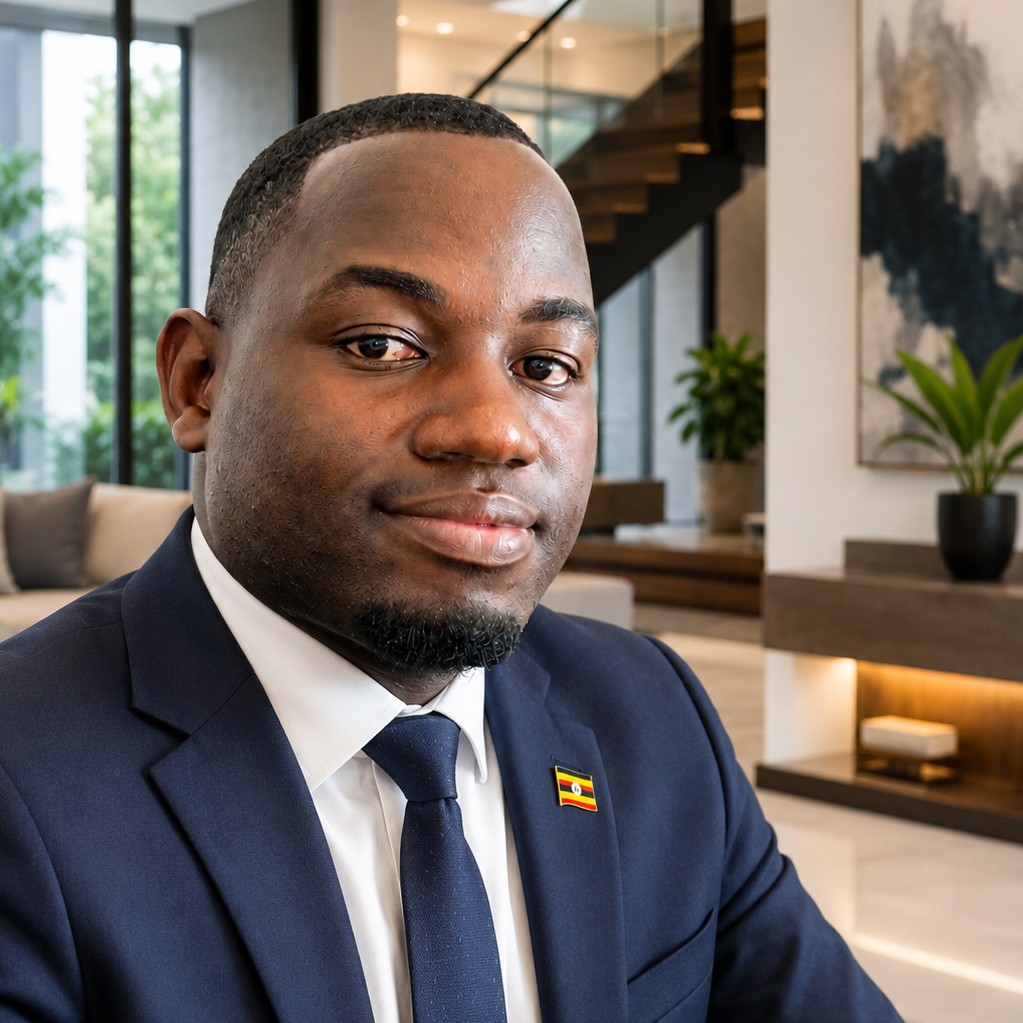
Enocha Engulu
CEO & Tech Strategist

Photo by Saj Shafique on Unsplash
The landscape of remote work has shifted dramatically, and for Ugandan tech professionals, the UAE has emerged as a golden corridor to tax-free income. In 2026, the dream of earning $5,000 monthly while living in a global hub like Dubai is not just a fantasy; it is a structured, achievable goal. However, the path involves navigating a complex web of visa types, hidden costs, and income thresholds that many guides gloss over. This is not simply about packing a laptop and a dream. It is about strategic planning, understanding the real financial commitment, and knowing exactly which doors to knock on in the UAE's free zones.
Let us be brutally honest from the start. The allure of a "Dubai digital nomad visa" is strong, but for a Ugandan freelancer aiming for long-term stability, the standard freelance visa through a UAE free zone is often the more powerful tool. The Dubai Virtual Working Programme, often called the digital nomad visa, is fantastic for employees who keep their foreign job. It requires proof of a monthly income of at least $3,500. For a Ugandan earning $5k from a US client, this is a perfect entry point. Yet, it does not allow you to legally invoice local UAE companies. If you ever want to diversify and work with a Dubai-based startup, you will be stuck. The real prize for Ugandans who want to build a career base in the UAE is the freelance permit and residence visa from a free zone authority like DMCC, twofour54, or Dubai Silicon Oasis. This setup gives you the legal right to work for multiple clients both inside and outside the UAE, and it opens doors to bank accounts, housing, and a lifestyle that is tax-free at the personal income level.
The Ugandan Reality: Income, Cost, and the $5k Target
The minimum income threshold for the Dubai digital nomad visa sits at $3,500 per month. For the freelance visa through a free zone, the requirement is often around AED 7,500 to AED 10,000 per month, which is roughly $2,000 to $2,700. You are targeting $5k monthly gigs, which puts you well above these minimums. This is a position of power. It means you are not scraping by; you are a high-value professional that the UAE wants to attract. The question is not whether you can afford the visa, but whether you can afford the initial setup cost and the three to four month wait before your first invoice gets paid.
Most guides tell you that a freelance permit costs between AED 7,500 and AED 12,000. That is the fee for the license alone. The real, full cost for a Ugandan applying in 2026 will likely land between AED 15,000 and AED 22,000 (approximately $4,000 to $6,000). This includes the freelance permit, the residence visa stamping, the Emirates ID application, a mandatory medical fitness test, and the dreaded health insurance requirement. Many Ugandans make the mistake of budgeting only for the permit. They forget the medical test which costs around AED 300 to AED 500, the visa processing fees that can run AED 1,000 to AED 2,000, and the health insurance which is mandatory and can cost AED 2,500 to AED 5,000 per year for basic coverage. If you are bringing a spouse or child, multiply these costs. The total upfront investment can easily hit $5,000. If you are earning $5k per month, this is a one-month investment for a year of tax-free living. The math works, but the cash flow must be ready.
Choosing Your Path: Digital Nomad Visa vs. Free Zone Freelance Visa
There are two primary roads for Ugandans in 2026. The first is the Dubai Digital Nomad Visa, officially called the Virtual Working Programme. This is a one-year residence permit that requires you to prove you work for a company outside the UAE or run a business registered abroad. The income requirement is $3,500 per month. The application fee is a modest $287, but the real cost includes the mandatory health insurance and a security deposit. The processing time is typically five to seven business days. The catch? You cannot work for a UAE-based company. You are legally an employee of a foreign entity living in Dubai. This is perfect for Ugandans who have a stable US or European remote job paying $4k to $5k monthly. It is simple, fast, and does not require setting up a local business.
The second road is the Free Zone Freelance Visa. This is for the Ugandan who wants to build a career as an independent professional. You apply through a free zone authority like the Dubai Multi Commodities Centre (DMCC), which has a specific Freelance Visa package. The cost is higher, often starting at AED 15,000 and going up to AED 25,000 for a full package including the permit and visa. The processing takes longer, around two to three weeks. The benefit is massive: you can invoice local UAE clients, you can sponsor your family, and you have a proper business license that looks professional to international clients. If you are a software developer, graphic designer, or consultant targeting $5k monthly gigs from both US and UAE clients, this is the superior option. It gives you flexibility. It turns you from a temporary visitor into a legitimate resident entrepreneur.
The Hidden Costs Nobody Mentions
Katy Gillett, a freelance journalist who documented her own UAE visa journey, wrote a brutal truth that every Ugandan must hear. She stated that "most visa guides tell you freelance permits cost somewhere between AED7,500 to AED12,000, that is rarely the full story." She is right. The hidden costs are where Ugandans get burned. First, there are the PRO fees. A Public Relations Officer (PRO) is often needed to handle your paperwork at government offices. If you do not speak Arabic or understand the local bureaucracy, you will pay a PRO service fee of AED 500 to AED 1,500. Second, there is the medical test. You must undergo a blood test and chest x-ray for communicable diseases. If you test positive for something like tuberculosis, you are deported. That is a risk. Third, there is the Emirates ID fee, which is around AED 370. Fourth, and most painful, is the health insurance. The UAE mandates that all residents have health insurance. If your free zone package does not include it, you will pay AED 2,500 to AED 5,000 per year. Fifth, there is the housing. While not a visa cost, you cannot get your visa stamped without a tenancy contract in your name. A studio apartment in a decent area of Dubai costs AED 40,000 to AED 60,000 per year. That is a $11,000 to $16,000 annual commitment. You need to factor this into your budget.
For a Ugandan earning $5,000 per month, the total first-year cost of living in Dubai, including visa, housing, utilities, food, and transport, will likely run between $30,000 and $40,000. That leaves you with $20,000 to $30,000 in savings per year, tax-free. Compare that to living in Kampala and earning $5k monthly, where you pay taxes and face a weaker currency. The math is compelling, but only if you have the discipline to manage the upfront costs.
Step-by-Step: How to Secure Your UAE Freelance Visa from Uganda
The process is not as complicated as people think, but it requires precision. Step one is to secure your freelance gig. You cannot apply for a visa without proof of income. If you already have a US client paying $5k monthly, get a contract. If you do not, you need to land that gig first. Use platforms like Upwork, Toptal, or LinkedIn to find remote contracts. The US Remote Jobs for Ugandans guide covers exactly how to build an ATS-friendly resume and set up dollar billing. This is your foundation.
Step two is to choose your visa route. If you have a single employer, apply for the Dubai Digital Nomad Visa through the official portal. If you are a freelancer with multiple clients, choose a free zone. DMCC is the most popular for tech professionals. Step three is to gather your documents. You need a valid Ugandan passport with at least six months validity, a passport-sized photograph, a bank statement showing the required income for the past three months, a contract or proof of work, and a health insurance policy that covers UAE. If you are going the free zone route, you also need a portfolio or CV showing your expertise. Step four is to submit your application. For the digital nomad visa, you apply online. For the free zone visa, you engage a business setup consultant or a free zone directly. Step five is to wait for approval, which takes five to twenty days. Step six is to fly to Dubai on a visit visa, undergo the medical test, submit your biometrics for the Emirates ID, and get your visa stamped. Step seven is to get your Emirates ID and open a bank account. Step eight is to rent an apartment and start living your tax-free life.
Why Ugandans Are Uniquely Positioned for This in 2026
The global remote work market has matured. In 2026, companies are no longer just hiring from India or the Philippines. They are looking for talent in Africa because of the time zone overlap with Europe and the strong English skills. Ugandan tech professionals, particularly in software development, data analysis, and digital marketing, are increasingly seen as a cost-effective and reliable alternative to Eastern European talent. The $5k monthly rate is achievable for a senior developer or a specialized consultant. The UAE, with its zero personal income tax and world-class infrastructure, becomes the perfect base. You earn in dollars, you spend in dirhams, and you save in dollars. The currency stability alone is a game changer compared to the Ugandan shilling.
There is also the community factor. In 2026, Dubai has a thriving community of African tech professionals. There are coworking spaces like AstroLabs and WeWork that host networking events. There are WhatsApp groups for Ugandans in Dubai. You are not alone. The isolation that many remote workers feel is mitigated by the sheer density of global talent in the city. You can attend a meetup on a Tuesday evening and find five other Ugandan developers working on similar projects. This network is invaluable for finding new gigs, getting advice on visa renewals, and simply surviving the loneliness of remote work.
The Risks You Must Face
This is not a fairy tale. There are real risks. The first is the cost of living. Dubai is expensive. A meal at a mid-range restaurant costs AED 50 to AED 100. A monthly metro pass is AED 300. If you lose your $5k gig, you have a very short runway. You need an emergency fund of at least three months of expenses, which is around $10,000. The second risk is the visa trap. If you lose your freelance income and cannot renew your visa, you have thirty days to leave the country. Overstay fines are AED 50 per day. If you get caught working without a valid visa, you face deportation and a ban. The third risk is the cultural adjustment. Dubai is a Muslim city with strict laws. Public displays of affection, drinking in public, and criticizing the government are illegal. The heat is brutal for six months of the year. You must be mentally prepared for a lifestyle that is very different from Kampala or Entebbe.
There is also the risk of scams. There are fake visa agents who promise you a freelance visa for AED 5,000 and then disappear. Always deal directly with the free zone authority or a reputable business setup firm. Check their credentials. Ask for references. The UAE government has a strict regulatory framework, and legitimate agents will have a physical office and a registered trade license. Do not send money to someone on WhatsApp who claims to be a "visa expert."
How to Scale Past the $5k Mark
Once you have the visa and are living in Dubai, the goal is to increase your income. The $5k mark is a floor, not a ceiling. In 2026, the UAE market is hungry for tech talent. If you are a developer, learn cloud architecture or cybersecurity. If you are a marketer, master AI-powered SEO or programmatic advertising. The skills that dominate the Nigerian job market are very similar to what is needed in the UAE. Focus on emerging technologies. The UAE is investing heavily in AI, blockchain, and renewable energy. If you can position yourself as an expert in any of these fields, your rate can jump to $8k or $10k per month.
Networking is your secret weapon. Attend the annual GITEX technology conference in Dubai. Join the Dubai Tech Meetup group. Connect with recruiters on LinkedIn who specialize in placing African talent in Gulf companies. Many of these recruiters are actively looking for Ugandans because of the strong work ethic and the ability to speak multiple languages. You can also start a side consultancy. With your freelance visa, you can legally take on three or four clients simultaneously. Diversify your income streams so that losing one client does not mean losing your visa.
The Ugandan professional who thrives in the UAE in 2026 is not the one who waits for opportunities. It is the one who builds a system. They have a clear budget, a network of clients, a backup plan, and a deep understanding of the visa rules. They do not fall for the hype of easy money. They know that the $5k tax-free gig is a reward for skill, discipline, and strategic planning. The UAE is open for business. The question is whether you are ready to step through the door.
Need Assistance with URA or URSB Filings?
Our professional advocates and corporate consulting desk handle company registrations, tax returns, and legal compliance manually. Join our channels to get immediate expert support:
Key Takeaways
Written By
Enocha Engulu
CEO & Tech Strategist
Visionary CEO of CareerCraft and digital strategist bridging the gap between technology and talent in East Africa.


