Make AI Love Your Resume: 2025's Winning Formula
In 2025, your resume is dead on arrival if a machine can't read it. Uncover the secrets to reverse engineering Applicant Tracking Systems, using keyword alchemy and brutal simplicity, so you get past the bot and into the human recruiter's hands.

Daniel Kigozi
Remote Work & Freelance Coach

You pour your soul into a resume. You polish each bullet point like a precious gem. You agonize over fonts and action verbs. Then you click submit and wait. The silence is deafening. Nothing. Not a single callback. The brutal truth is that your masterpiece never saw a human pair of eyes. It was dissected by a machine before a recruiter even had a chance to blink.
Welcome to the age of algorithmic hiring, where over three quarters of large corporations use Applicant Tracking Systems, or ATS, to filter candidates. These systems are not intelligent AI. They are rigid, pattern matching bots that scan for specific signals. If your resume does not speak their language, you are invisible. But the game is winnable. You can reverse engineer this system. You can make the machine love your resume so deeply that it pushes your profile to the top of the pile. Here is your blueprint for 2025.
The Silent Killer of Most Job Applications
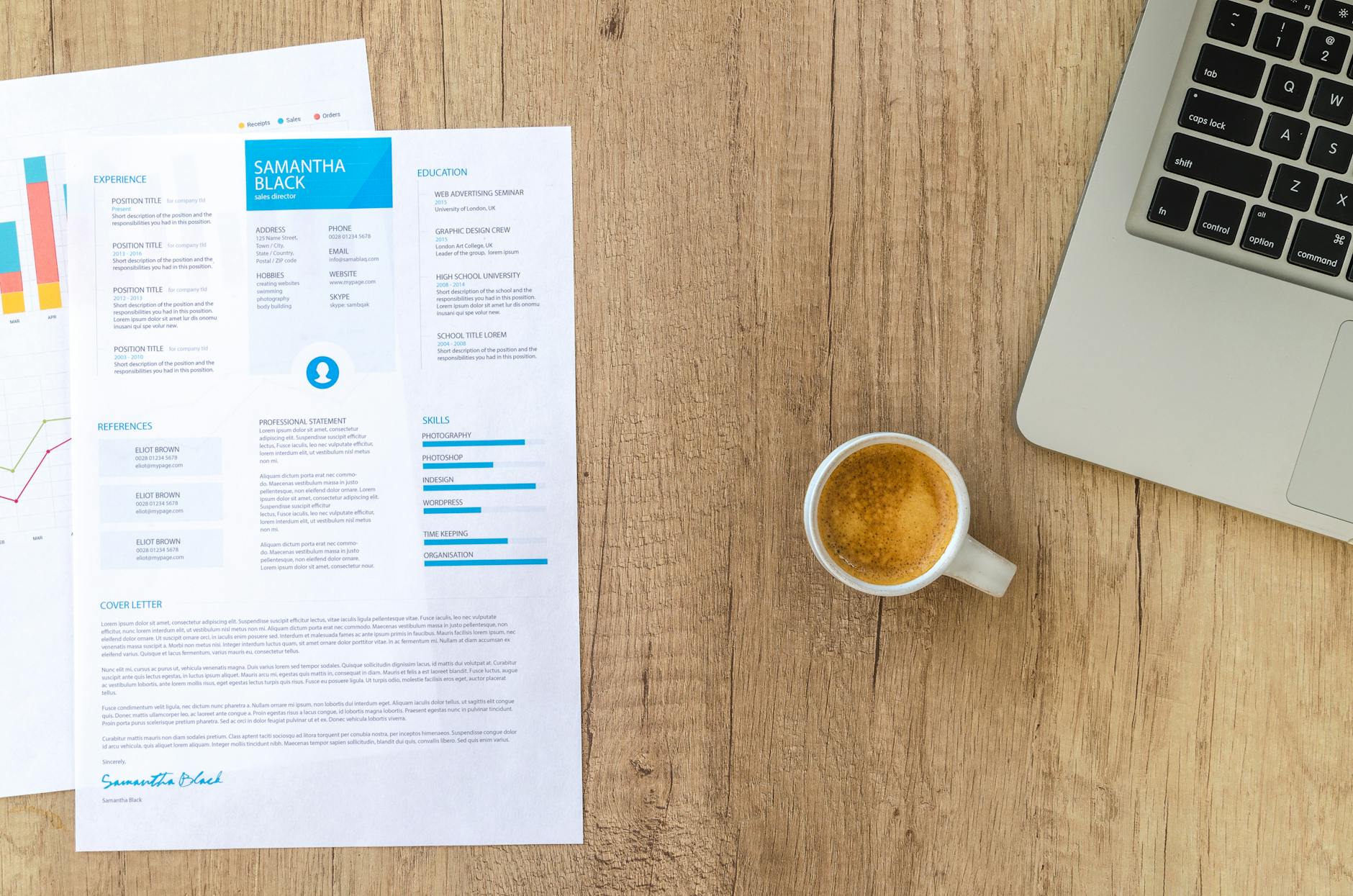
Let me show you a common tragedy. You apply for a dream role at a top tech firm. Your resume looks stunning. It has a clean design, a professional summary, and a list of impressive achievements. A hiring manager would love it. But the ATS does not care about aesthetics. It cannot read images. It cannot parse text in columns. It sees your two column layout and throws an error. The bot cannot extract your name, your job title, or your skills. You are instantly rejected, before any human even sees your name.
This is the silent killer of most applications. The ATS is not a smart system. It is a rules engine built by engineers who hate ambiguity. It wants structure. It craves plain text. It demands standard section headers like Work Experience and Education. If you get creative, you get punished. The first rule is brutal simplicity. Strip away the fancy graphics. Remove all icons. Ditch the tables. Use a single column layout with a clean, standard font like Arial or Calibri. Save your design instincts for your portfolio, not your resume.
Keyword Mining: Your Secret Weapon for 2025
Now we get to the core of the matter. The ATS lives and dies by keywords. When you apply, the bot scans your resume for specific terms that match the job description. If you miss even one critical keyword, you are filtered out. How do you win? You become a keyword detective.
Pull up the job description for the role you want. Copy the entire text into a blank document. Now read it like a hawk. Look for repeated terms. Look for hard skills like Python, project management, or SQL. Look for soft skills like leadership, cross functional collaboration, or agile. These are your ammunition. You must weave these exact phrases into your resume naturally. Do not just stuff them into a skills section. Embed them in your bullet points. Instead of saying Managed a team, say Led a cross functional team using agile methodologies to deliver projects on time. The bot sees the keywords. The human sees competency. It is a perfect win win.
But here is the trap. Do not lie. If you do not know Python, do not put it on your resume. The ATS might pass you, but the interview will expose you. Be honest. But be strategic. If the job requires data analysis, and you have done that but called it number crunching, change the language. Use the employer's words. It is not cheating. It is translation.
Formatting for the Machine and the Human
You need to serve two masters: the bot and the recruiter. The bot wants simple structure. The human wants a compelling story. How do you balance both? You use a hybrid approach.
First, use standard section headers. Professional Summary, Work Experience, Education, Skills. Do not call it What I Bring to the Table. The bot will not understand. Second, use bullet points but keep them simple. Each bullet should start with a strong action verb. Use numbers and metrics whenever possible. Increased sales by 30 percent is better than Helped increase sales. The bot loves data. The human loves results.
Third, avoid PDFs unless the job description explicitly asks for them. Most ATS systems parse PDFs poorly. Word documents, with the .docx extension, are safer. But check the application instructions. Some systems prefer plain text. Others accept PDFs. When in doubt, use a Word document. It is the universal language of the ATS.
The Summary Section: Your One Minute Pitch
Your professional summary is not optional. It is the first thing the bot and the human read. But most people write terrible summaries. They say things like Highly motivated professional seeking a challenging role. That is meaningless. It is fluff. And the bot knows it.
Write a summary that packs a punch. Include your years of experience, your top three skills, and a major achievement. For example: Senior product manager with 8 years of experience driving user growth and revenue. Led the launch of three B2B SaaS products that generated $10 million in annual recurring revenue. Expert in agile development, stakeholder management, and data driven decision making. This summary is rich with keywords. It tells the bot exactly what you do. It tells the recruiter you are a powerhouse. This single paragraph can make or break your application.
Skills Section: The Goldmine of Opportunities
Do not bury your skills in a paragraph. Create a dedicated skills section. List 10 to 15 relevant hard and soft skills. Use the exact terms from the job description. But avoid cluttering it with every tool you have ever touched. Focus on the ones that matter for this specific role.
Here is a pro tip: if the job description mentions Asana or Jira as project management tools, include those. If it mentions Google Analytics, put it in. But if you have used a tool for only a month and it is not listed, leave it out. The bot will flag you if you list too many irrelevant skills and then fail to back them up in your experience section. Consistency is key. If you list Python in skills, you better have a bullet point that mentions Python under work experience.
Action Verbs That Make the Bot Purr
The ATS is trained to recognize strong action verbs. Words like Led, Managed, Developed, Implemented, Optimized, Designed, Created. These are power words. They signal to the bot that you are a doer, not a passive observer. Replace weak verbs like Was responsible for or Helped with with these strong alternatives.
But do not overuse the same verb. Variety matters. If every bullet starts with Led, the bot might get confused. Mix it up. Use Spearheaded, Orchestrated, Engineered, Transformed. These words are rare and specific. They stand out. They make the bot think you are a high performer.
File Naming and Submission Tricks
You would be surprised how many people screw up the basics. Your resume file name should be your name and the job title. For example, John_Doe_Product_Manager_2025.docx. Do not name it Resume_final_v3.pdf. That screams amateur. The bot reads the file name. Some ATS systems even use it as a ranking signal. Keep it clean and professional.
When you submit your resume online, do not rush. Read the instructions carefully. Some systems ask for a cover letter. Some ask for specific formatting. If the system says paste your resume here, do not just upload a file. Paste the text. The parsing engine works better with direct text input. Take the extra two minutes to do it right. It can be the difference between an interview and a rejection.
Avoiding the Blacklist
There is a dark side to ATS optimization. Some desperate candidates try to game the system by hiding white text keywords in the margins or using invisible tables. Do not do this. The ATS is smarter than you think. It can detect hidden text. When it does, it flags you as a cheater. Your resume is blacklisted. You never get a fair chance again.
Instead, play the game ethically. Use the job description as your roadmap. Tailor your resume for every single application. Yes, it takes time. But sending a generic resume to 100 jobs is less effective than sending a tailored resume to 10 targeted roles. Quality over quantity. Always.
The Human Touch That Seals the Deal
Once the bot loves your resume, it passes you to a human. That human has 30 seconds to decide if you are worth interviewing. So your resume must also be skimmable. Use bold text sparingly for key achievements. Keep paragraphs short. Use white space. Make it easy for a tired recruiter to see your impact at a glance.
Include a link to your LinkedIn profile. Make sure your LinkedIn matches your resume. Recruiters check. If they see inconsistencies, they assume you are lying. Also, include a link to a portfolio or GitHub if relevant. The human wants to see your work, not just your claims.
The Future of AI in Hiring
The ATS is evolving. New AI models can now analyze tone, writing style, and even predict cultural fit. But the fundamentals remain the same. The machine wants clarity. It wants relevance. It wants proof. If you master these principles today, you will be ready for whatever the algorithms throw at you tomorrow.
Remember, the ATS is not your enemy. It is a tool. Use it wisely. Treat it like a gatekeeper that needs to be impressed before you meet the king. Give it exactly what it wants. And when you finally walk into that interview room, you will know your resume did the heavy lifting. You just have to close the deal.
Need Assistance with URA or URSB Filings?
Our professional advocates and corporate consulting desk handle company registrations, tax returns, and legal compliance manually. Join our channels to get immediate expert support:
Key Takeaways
Written By
Daniel Kigozi
Remote Work & Freelance Coach
Pioneering the East African gig economy, helping local talent land high-paying remote roles with international clients.